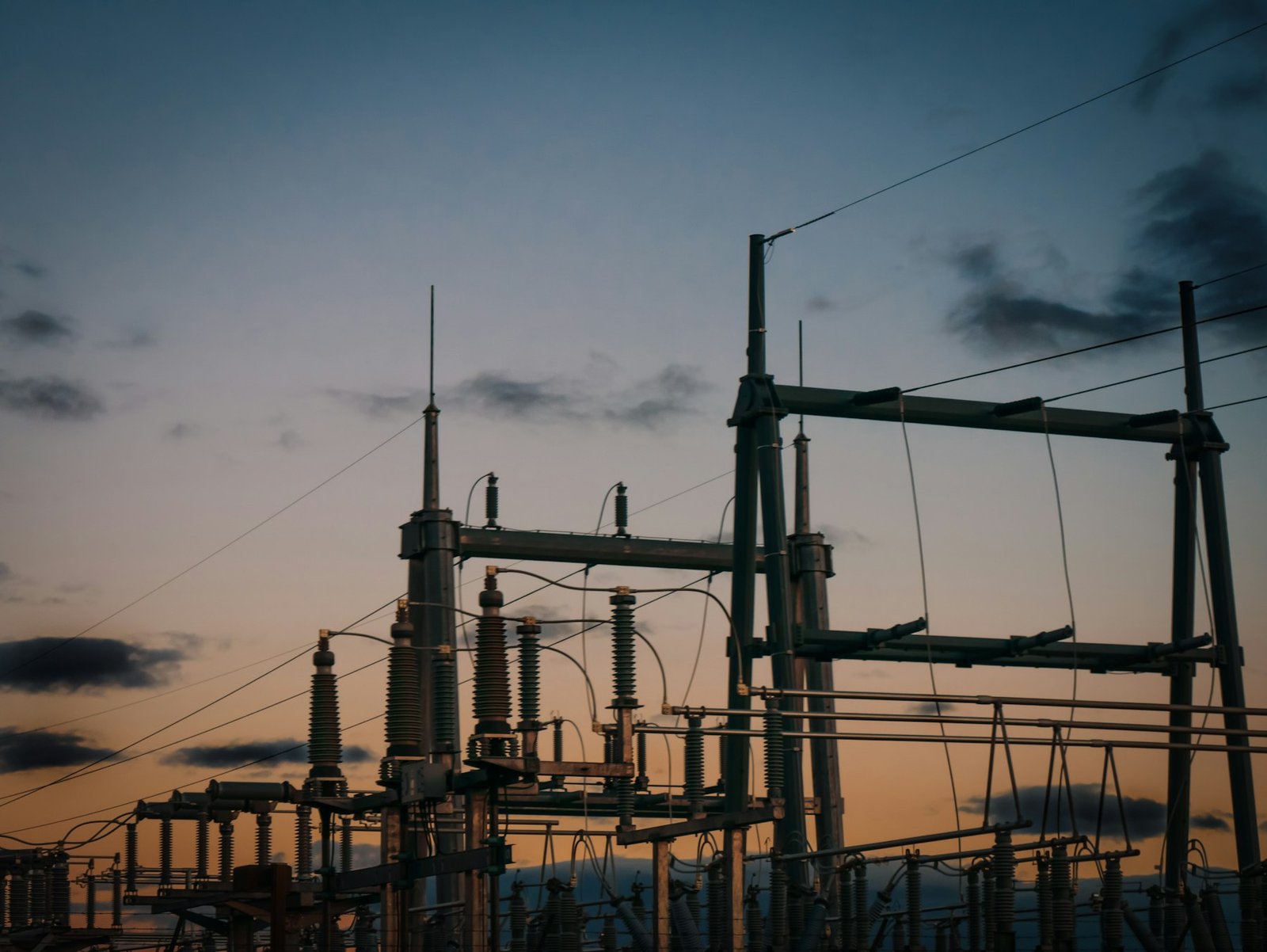
Independent power generation
Every industrial constraint in the country routes back to electricity. Independent generation addresses the binding constraint directly, and industrial offtakers have demonstrated willingness to pay a premium for reliability.
The structured view
- Market size
- Access is measured at roughly 62% of population, but that measures connection rather than supply. The addressable gap is reliability, not connection.
- Key players
- State utility dominates transmission. Independent generation is a small but growing share.
- Regulatory pathway
- Generation licence through ZERA; investment licensing through ZIDA; grid connection and wheeling agreements negotiated with the utility.
- Comparable deals
- Independent power projects in Zambia and Mozambique offer the nearest structural comparables.
Risk factors
In the same document as the thesis. A brief that puts its risks in a separate disclaimer is marketing.
- 01
Offtaker credit quality, particularly where the counterparty is the state utility.
- 02
Tariff regulation and the political difficulty of cost-reflective pricing.
- 03
Currency convertibility on long-tenor revenue.
- 04
Wheeling arrangements are negotiated case by case, with limited precedent.