Economic dashboard
Sector dashboards
Six sectors, each with its own indicators and — more usefully — its own list of constraints that actually bind.
Sectors
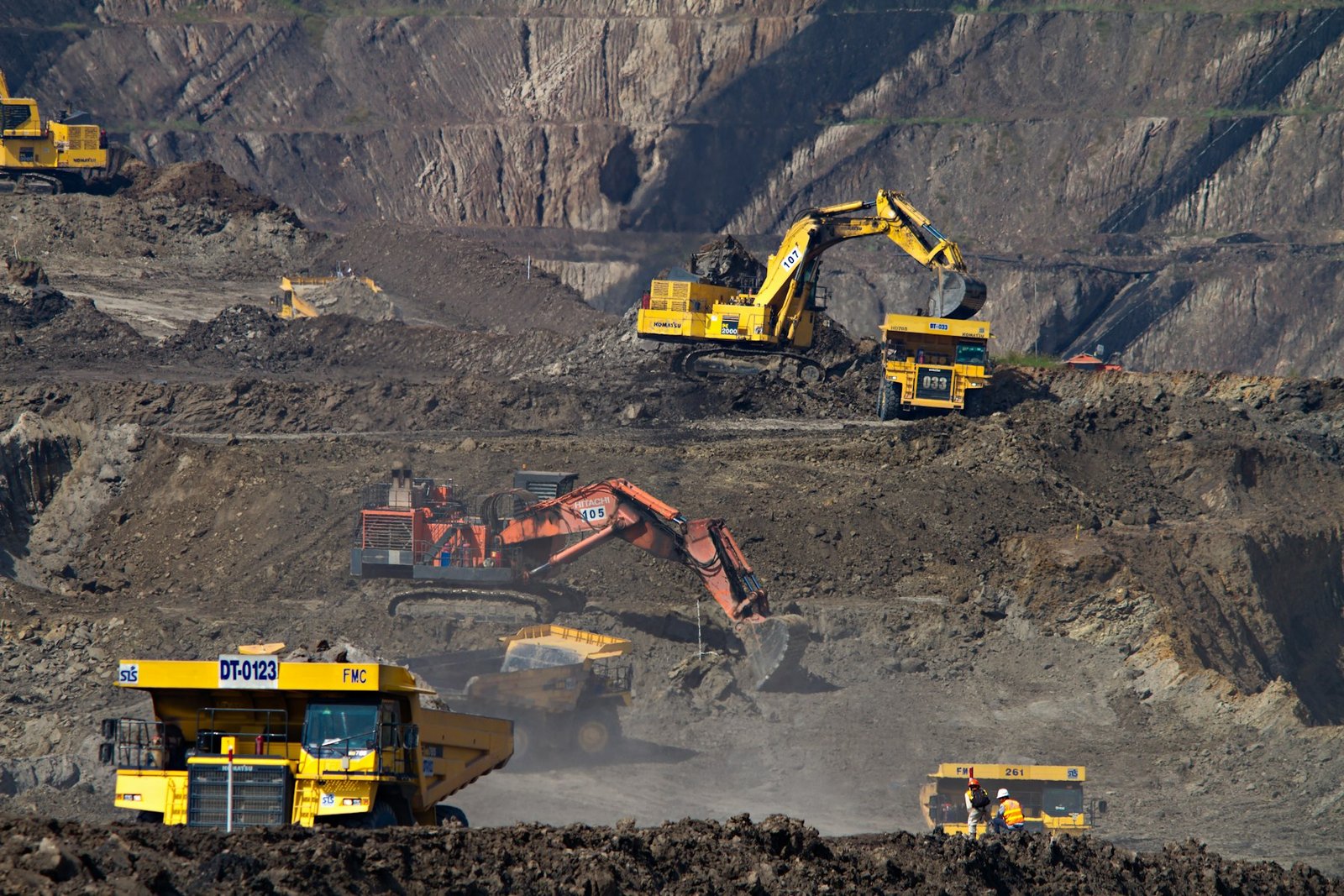
Indonesia · Dominik Vanyi · Unsplash Licence
Mining
Gold, lithium, PGMs and chrome
Mining is the export economy. It earns most of the country's foreign currency, and its fortunes are set largely offshore — by the gold price, by the lithium cycle, and by PGM demand that is structurally exposed to the shift away from internal combustion. Domestic policy determines how much of that revenue is retained, not how much is earned.
4 constraints · 3 sources →

Tatenda Mapigoti · Unsplash Licence
Agriculture
Tobacco, maize, horticulture
Agriculture employs far more people than it contributes to GDP, which makes it politically weighty out of proportion to its measured size. Output is rain-fed and therefore volatile; a good season and a bad season differ by more than most policy interventions do. Tobacco is the export story, and its buyer concentration is a risk that rarely appears in official framing.
3 constraints · 2 sources →
Location not stated · Johannes Heel · Unsplash Licence
Manufacturing
Import substitution under a hard currency constraint
Manufacturing's share of GDP has been roughly flat for a decade while capacity utilisation has moved in a band well below its own historical peak. The sector's constraint is not demand but input cost: firms buy inputs at effectively USD prices and compete against imports from economies with cheaper power and cheaper credit.
3 constraints · 3 sources →

Sean Nyatsine · Unsplash Licence
Tourism
Victoria Falls and the recovery that is hard to measure
Tourism should be a straightforward foreign-currency earner with a world-class anchor asset. The obstacle to assessing it is measurement: the published arrivals series has not been meaningfully updated since the pandemic, so any claim about the recovery is currently an assertion rather than a finding.
3 constraints · 2 sources →

Tanaka Malote · Unsplash Licence
Financial services
Banking, insurance and the ZSE under dollarisation
The financial sector's central problem is that intermediation in a dual-currency economy is structurally hard. Deposits are short and largely USD; lending in local currency carries currency risk the borrower cannot hedge. The result is a banking system that is liquid but does not lend long, and a capital market whose local-currency index moves largely track the exchange rate.
3 constraints · 3 sources →
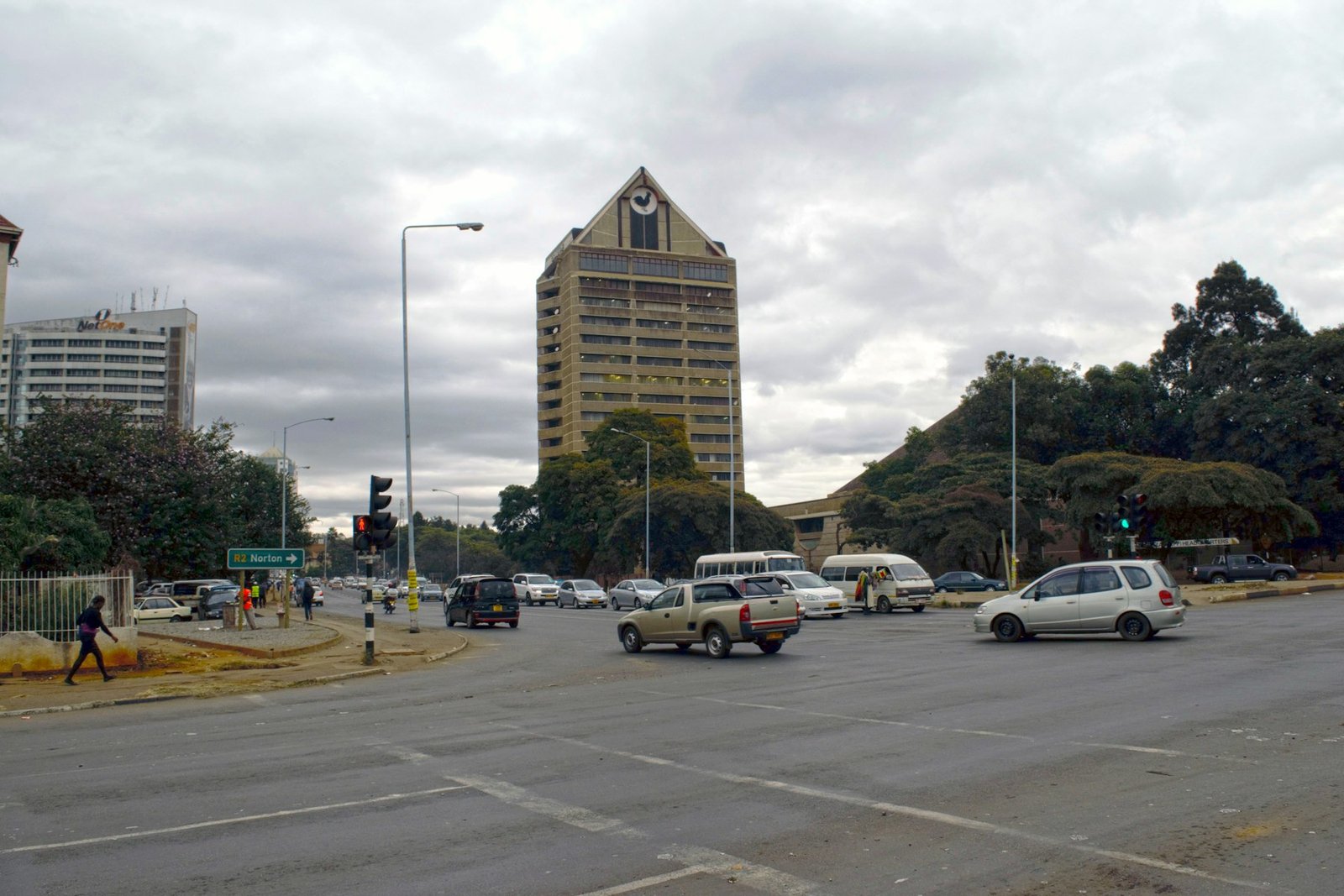
Omoniyi David · Unsplash Licence
ICT & digital
Connectivity, mobile money and the data economy
Internet penetration has risen steadily and is one of the few series in the national accounts that moves in one direction without a policy-induced break. Mobile money is deeply embedded in daily transactions. The constraint is cost per gigabyte relative to income, and the power supply that connectivity depends on.
3 constraints · 2 sources →
Structure of the economy
Value added by sector as a share of GDP, plus the enabling infrastructure series. These are the cross-sector series; sector pages carry the specifics.
Industry value added
World Bank2025
37.1%
Manufacturing value added
World Bank2025
14.9%
Agriculture value added
World Bank2025
9.5%
Access to electricity
World Bank2024
62.0%
Individuals using the internet
World Bank2024
41.6%
International tourist arrivals
World Bank2020
639,000