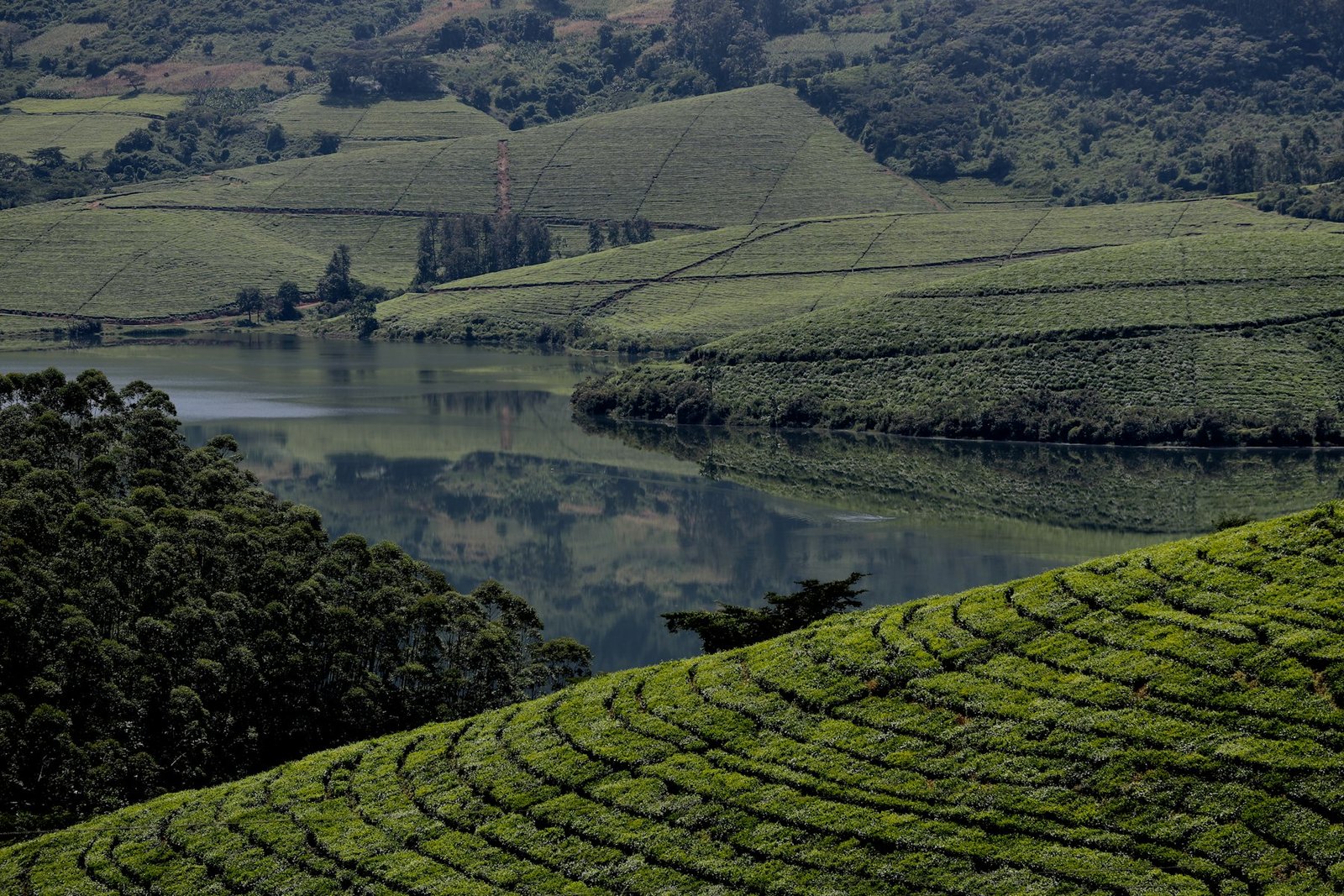
Agriculture
Tobacco, maize, horticulture
Agriculture employs far more people than it contributes to GDP, which makes it politically weighty out of proportion to its measured size. Output is rain-fed and therefore volatile; a good season and a bad season differ by more than most policy interventions do. Tobacco is the export story, and its buyer concentration is a risk that rarely appears in official framing.
Indicators
Agriculture value added
9.5%
World Bank2025
What binds this sector
The constraints that determine outcomes, including the ones official framing tends to omit.
- 01
Rainfall variance dominates year-on-year output. Single-season moves are weather, not structural change.
- 02
Land tenure remains unresolved for collateral purposes, which constrains formal agricultural credit.
- 03
Tobacco export earnings are concentrated in a small number of buyers.
Sources used on this page
ZIMSTAT
The official statistical authority and the origin of most national accounts and CPI data. Methodology for the CPI has changed repeatedly with the currency regime — including suspensions of the year-on-year series — so ZIMSTAT inflation is not continuously comparable across breaks. ZIX marks those breaks rather than splicing across them.
World Bank
Primary source for internationally comparable macro series. WDI figures for Zimbabwe are compiled from national accounts supplied by ZIMSTAT and the RBZ, so they inherit those bodies' limitations; the World Bank's contribution is consistency of method across countries and years, not independent measurement. Series are pulled live from the WDI API and carry the vintage the API reports.
Analysis on this sector
- Investor briefing13 Sept 2026
A River Made Egypt's Breadbasket. Can a Dam Do the Same for Matabeleland North?
The Nile offers a template for what disciplined water infrastructure can do for agriculture. Zimbabwe's Gwayi-Shangani Dam may be the closest thing the region has to that opportunity.