Zimbabwe's Quiet Turnaround: What the IMF's Latest Review Signals for Investors
A small procedural milestone in Washington may mark a meaningful inflection point for one of Africa's most closely watched economies.
By ZIX Editorial
Macro desk · 2 min read

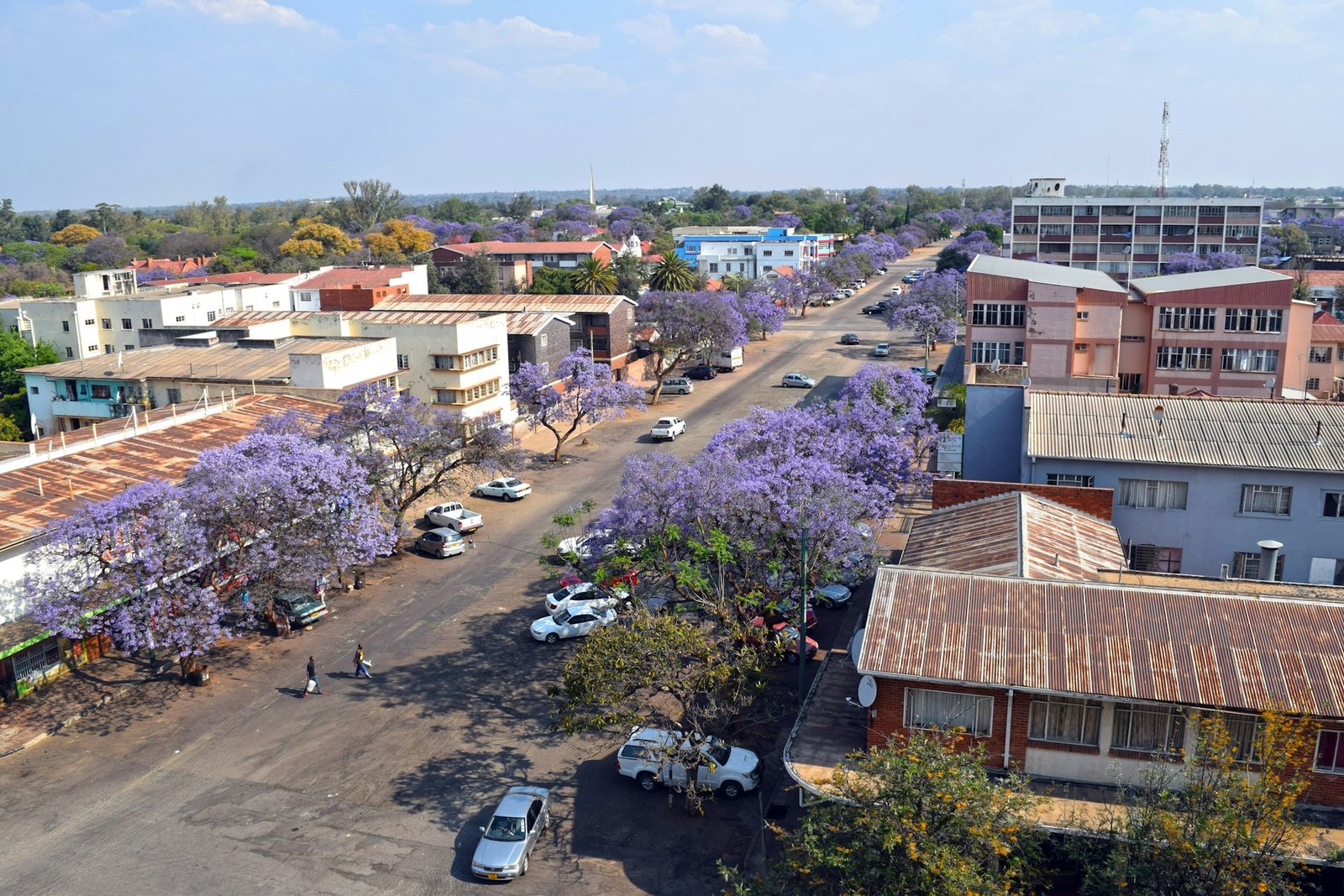
Tatenda Mapigoti · Unsplash Licence
In late July 2026, IMF management signed off on the completion of the first review under Zimbabwe's ten-month Staff-Monitored Program. SMPs are typically informal arrangements, not IMF-financed lending programs, and their reviews rarely make global headlines. But for investors tracking frontier and pre-frontier African markets, the substance behind this announcement deserves more attention than the format suggests.
Discipline, delivered. The headline finding is that Zimbabwe met every quantitative target and structural benchmark assessed through the end of March 2026, covering the primary budget balance, net international reserves, central bank lending to the public sector, external borrowing, and monetary base growth, with most indicative targets also observed. In economies emerging from prolonged instability, execution risk is usually the story. Here, the early evidence points the other way: a government that set targets and, for this review period, hit them.
Growth with substance, not just recovery. Zimbabwe's economy expanded 8.3% in 2025, a rate driven by tangible fundamentals, a rebound in agriculture, robust mining output, and favourable gold prices, rather than by statistical base effects or one-off currency adjustments. That momentum carried into early 2026 despite a genuinely difficult external backdrop, including cost pressures transmitted through global energy and shipping markets. The IMF projects growth moderating to a still solid 5% in 2026 and settling around 4.2% over the medium term, with inflation expected to hold in single digits under continued tight monetary policy.
Why this matters beyond the numbers. For years, the central obstacle to investment in Zimbabwe has not been the absence of opportunity, agriculture, mining, and manufacturing all show clear upside, but the absence of a credible policy anchor. A sustained track record of program compliance is precisely the currency that unlocks the next stages of re-engagement: clearing external arrears, restructuring debt, and rebuilding relationships with international financial institutions and development partners. Each completed review adds a data point to that track record, and track records are what move institutional capital.
Guardrails, not blind optimism. The program's design reflects lessons learned: it commits authorities to keep spending within the approved 2026 budget while banking additional revenue against 2027 food-security risk, to manage fiscal exposure from gold-sector incentives, and to strengthen safeguards around domestic arrears clearance. The IMF itself flags downside risks, a possible major El Niño event and further Middle East conflict spillovers and is candid that risks remain tilted downward. That candour, paired with continued benchmark compliance, is itself a signal of institutional maturity rather than a reason for caution alone.
The takeaway. Whilst a single program review may not make an investment thesis. But a government that is disciplined enough to hit every benchmark, transparent enough to acknowledge its risks, and strategic enough to build fiscal buffers ahead of known shocks is doing the unglamorous work that precedes durable re-engagement. For investors willing to look past the headlines, Zimbabwe's July review is less a footnote than an early marker of a country rebuilding its credibility one benchmark at a time. Overall, another positive signal from Zimbabwe.
Source: International Monetary Fund, Press Release No. 26/261, July 27, 2026. Analysis and interpretation are the author's own.
Editorial note: Scaffolding copy written to establish structure, voice and length. Replace before publication.