From rock to battery: Zimbabwe's bet on moving lithium up the value chain
Africa's largest lithium producer is testing whether a resource boom can become an industrial one.
By ZIX Editorial
Mining desk · 3 min read
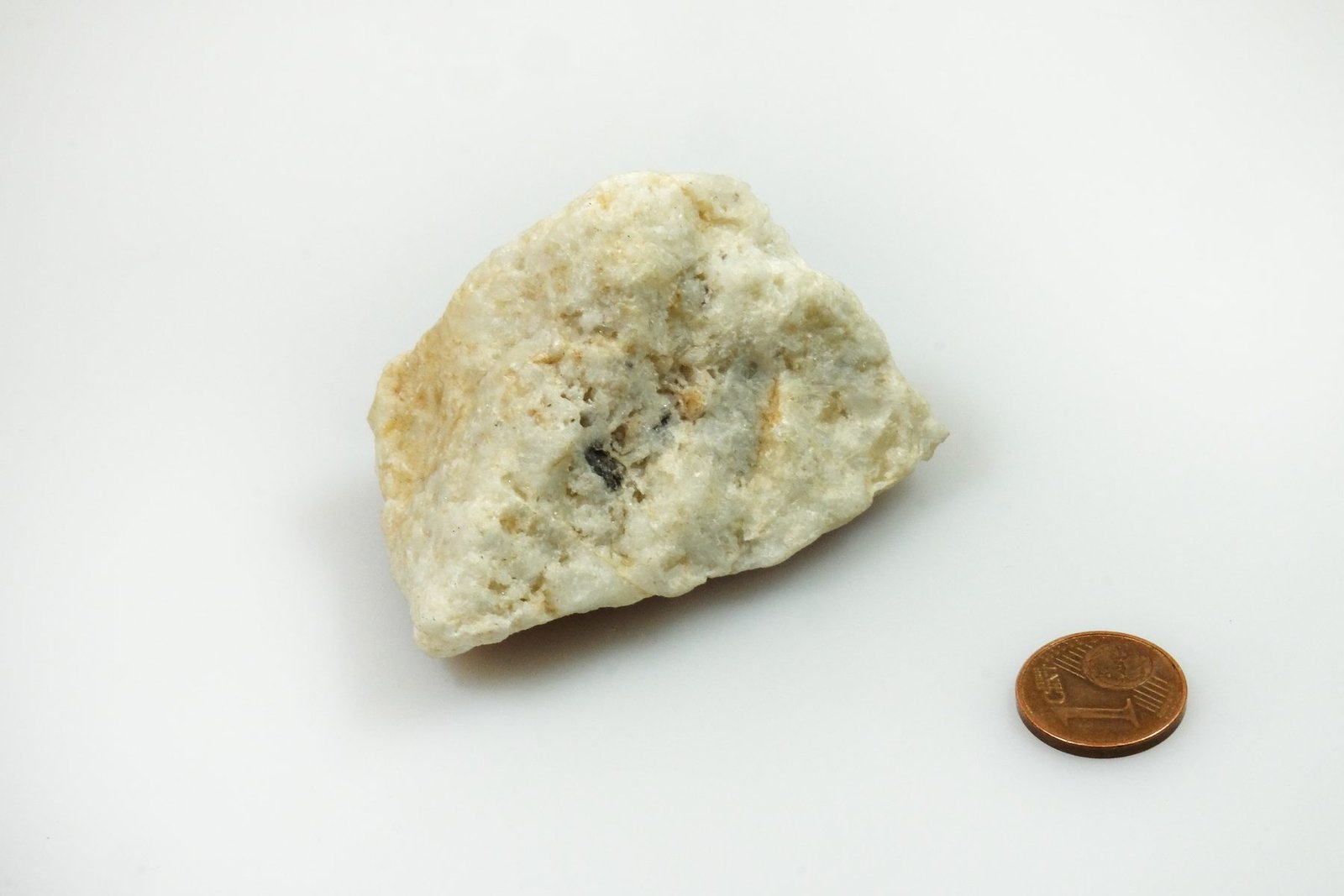
Kaethe17 · CC BY-SA 4.0
Zimbabwe now holds a title few African economies can claim: it is the continent's largest lithium producer and, by several industry rankings, among the world's top six. Production is expected to reach roughly 2.14 million metric tons in 2026, slightly below 2025's 2.2 million tons, but still evidence of a sector that has grown from near-negligible output five years ago into a genuine pillar of the national economy. Lithium exports brought in $782 million in the first half of 2026 alone, up 230% year on year, and now account for around 12% of total mineral export revenue, behind only gold and platinum group metals.
The more important shift, however, is not the rise in tonnage. It is Zimbabwe's move from exporting raw rock to exporting refined lithium chemicals.
The beneficiation turn. In April 2026 Prospect Lithium Zimbabwe, owned by Zhejiang Huayou Cobalt, commissioned a $400 million lithium sulphate plant at Goromonzi, outside Harare, the first facility of its kind on the continent. It marks the practical start of a policy Harare has been building toward for years: a ban on the export of unprocessed lithium concentrate, taking full effect in January 2027, designed to force miners to process locally rather than ship raw ore to China's battery supply chain. Mines including Bikita, Arcadia, and Sabi Star have driven the country's production expansion, and operators across the sector are now investing in their own sulphate-processing capacity in response.
That shift matters because beneficiation changes the country's role in the supply chain: from a source of ore to a potential producer of the intermediate chemicals battery makers need.
The scale of the bet is substantial. Zimbabwean miners have committed up to $5 billion in new investment as the industry shifts from raw exports toward large-scale domestic processing of battery-grade precursor chemicals. Industry projections cited by Zimbabwe's government put annual lithium sector turnover at $3.2 billion by 2030, roughly five times 2025's mineral export earnings from lithium, contingent on beneficiation investment continuing at pace. President Emmerson Mnangagwa has framed the policy bluntly: raw mineral exports without local processing are, in his words, wealth better left underground than shipped out unrefined.
This matters for investors because global lithium supply remains concentrated in China, Australia, and South America's "lithium triangle", while Africa's share of world output has more than doubled in two years, from 6% in 2023 to 14% in 2025, with Zimbabwe as the principal driver of that shift, according to the IEA's Global Critical Minerals Outlook. For battery and EV supply chains seeking to diversify sourcing away from a small number of dominant geographies, a scaled and increasingly processed African lithium sector is a genuine strategic option, not just a raw-materials story.
The caveat is that Zimbabwe remains heavily weighted toward upstream extraction, with midstream processing only now taking root and downstream battery manufacturing still aspirational. Analysts tracking the sector note that enforcement gaps around earlier export restrictions have allowed some raw ore to keep flowing abroad. Whether the 2027 ban converts policy intent into durable domestic value-add, rather than simply raising the compliance cost of the same extractive pattern, will determine whether Zimbabwe becomes a genuine link in the battery value chain or remains its highest-volume supplier of raw feedstock.
Editorial note: Scaffolding copy written to establish structure, voice and length. Replace before publication.