Zimbabwe's lithium moment, priced honestly
Export value tripled and then fell by a third. Almost none of that was about Zimbabwe. What the price cycle hides, and what it reveals about the beneficiation strategy.
By ZIX Editorial
Resources desk · 14 min read
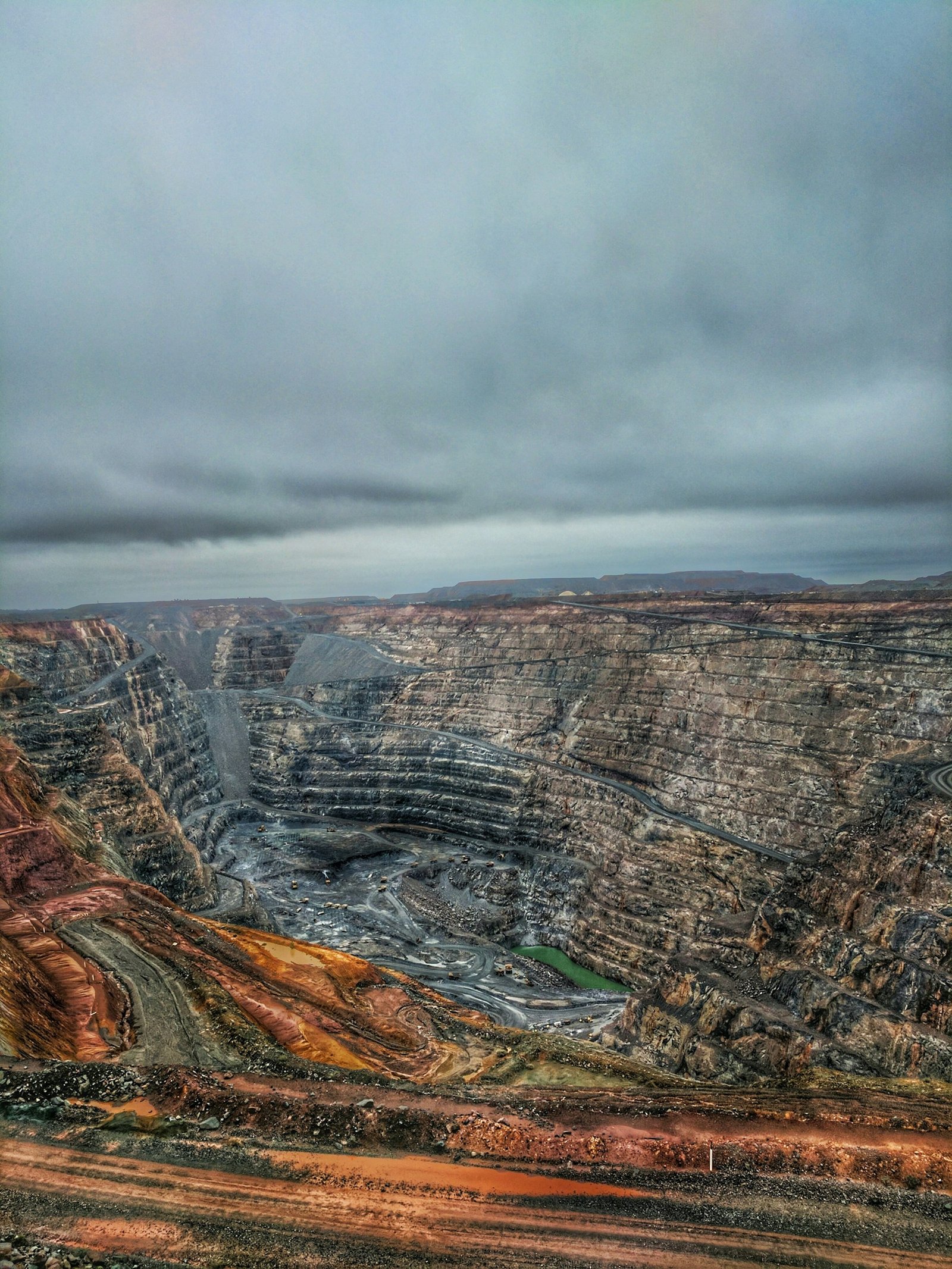
Tasmania · Matthew de Livera · Unsplash Licence
Between 2021 and 2023 Zimbabwe's lithium export earnings rose by roughly an order of magnitude. Between 2023 and 2024 they fell by around a third. Both moves were dominated by the global lithium price, which did approximately the same thing over the same period.
This matters because the policy narrative built during the upswing — that Zimbabwe had become a strategically significant lithium producer — was constructed on numbers that were mostly a price signal. The volumes underneath grew, but nothing like as fast as the revenue did.
The beneficiation push, which restricts the export of unprocessed lithium ore, is the more consequential policy question, and it should be assessed on its own terms rather than against revenue figures that move for unrelated reasons. The case for it rests on capturing more of the value chain domestically. The case against rests on power availability and on capital cost.
An investor evaluating this sector should separate three questions that are routinely merged: whether Zimbabwean geology is competitive, whether Zimbabwean processing is competitive, and whether the retention and export regime lets a project convert revenue into returns. The answers are not the same.
Editorial note: Scaffolding copy written to establish structure, voice and length. Replace before publication.